Garden Clearance in Bayswater

Garden Clearance Bayswater provides a practical way to clear overgrown, cluttered, or neglected outdoor spaces in Bayswater with a service shaped around the materials that typically build up in domestic and shared gardens. We handle green waste, broken outdoor items, soil, branches, bagged debris and mixed garden rubbish, helping you regain a usable space without having to sort every item into separate trips. The work is planned to suit access, volume and disposal needs, so the clearance can be carried out cleanly and with a sensible finish.
Our focus is on garden waste removal and related clearance work, rather than a one-size-fits-all approach. That means the team can deal with prunings, hedge cuttings, turf, plant pots, timber offcuts and general outside clutter in a way that keeps the job organised from start to finish. If you need a straightforward quotation, you can request one once you have a clear idea of the areas to be cleared and the type of material involved. Tell us what needs removing, and we can discuss the most suitable clearance plan.
For many properties, the main benefit is simply having the job handled in a single visit rather than breaking it into several stages. We work with outdoor spaces that may have a mixture of green waste and non-organic items, and we aim to remove what is no longer needed while leaving the remaining garden tidy. If you are comparing options, consider the level of access, whether the waste is loose or bagged, and whether any heavier materials such as soil or broken garden fittings need to be included in the clearance.
What our garden clearance service covers
Our clearance work is suited to the kind of items that commonly accumulate after pruning, landscaping or general garden maintenance. That can include branches, leaves, cuttings, weeds, old compost, damaged planters and other outdoor waste that is awkward to move in a standard household vehicle. We also deal with garden clutter that no longer serves a purpose, such as broken furniture, spare fittings and weathered timber, provided it falls within the agreed scope of the job. The aim is a tidy, workable result rather than a rushed strip-out.
Where a garden has more than one type of material, it helps to separate what is clearly organic from what is mixed or bulky, because that affects loading and disposal. This is especially useful if you are arranging clearance after a long period of neglect, a seasonal cut-back or the end of a gardening project. If you need to prepare a quotation request, a short list of the items and a rough indication of access is usually enough to start. A simple note such as front garden, rear garden, bags and branches gives a useful starting point.
Typical garden waste and outdoor clutter
- Hedge trimmings, grass cuttings and leaf litter
- Branches, twigs, logs and other woody material
- Old plant pots, trays, compost sacks and broken garden containers
- Light outdoor furniture, damaged accessories and mixed garden rubbish
- Soil, turf, stones and other heavier garden debris where agreed
Clearing overgrown areas and difficult access spaces

Some gardens need more than a simple load-and-go collection. Overgrown corners, narrow side passages, shared paths and rear access points can all affect how the clearance is planned and how the material is moved. In those cases, the work is best approached with a clear sequence: identify the waste, work from the easiest access point, and remove the load in a way that avoids unnecessary disruption to the rest of the property. This keeps the job controlled even when the garden is difficult to reach.
Where vegetation has spread into paths or around boundaries, the clearance may involve removing a layer of cut growth before the larger pieces can be lifted away. That can be useful after a long period without maintenance, when the amount of material makes ordinary handling awkward. It also helps when there is a combination of garden waste and unwanted stored items outdoors. A careful approach makes it easier to leave the area ready for follow-up gardening, repair work or simple use again.
Different properties call for different handling methods, and that is why garden clearance is more effective when the likely access issues are understood early. If you can identify whether the area is ground-level, through a side gate or around the back of the property, the quotation process becomes more accurate. Good access details do not need to be complicated; they just need to reflect the practical route for moving the waste out. That helps avoid guesswork and supports a better organised service.
Garden waste removal after pruning, landscaping or tidy-up work
Garden waste removal is often needed after a one-off tidy-up, seasonal cut-back or light landscaping project. Even a modest amount of pruning can leave more material than expected once branches, clippings, roots and bagged waste are gathered together. Our service is designed to take that surplus away so the work you have already done is not left piling up in sacks or corners. It is a practical option when the main task has been completed but the waste still needs to be handled properly.
In some cases, the clearance follows small outdoor improvement jobs such as replacing planters, trimming hedges or clearing a section for new planting. In others, the waste may be from a larger maintenance job involving several loads of cuttings and debris. Either way, the service is built around removing the material that no longer belongs in the garden. If you are arranging a quote, it helps to mention whether the waste is mainly green, mainly mixed, or a combination of both.
The overall result should be a garden that is easier to work in, easier to view and easier to maintain. That does not mean every surface will be spotless in the decorative sense, but it does mean the clearance is carried out with care and an eye on what remains behind. Garden waste removal works best when the scope is realistic and the material is described accurately. If you need it, a clear request for a quotation is the next step.
Household and outdoor items that often appear in garden clearances

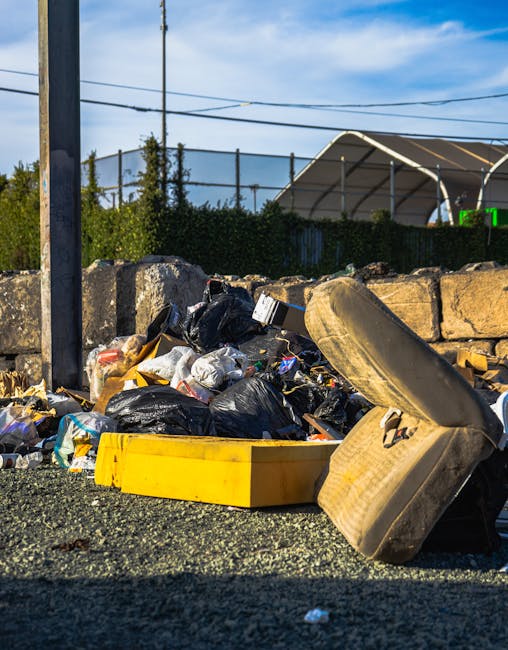
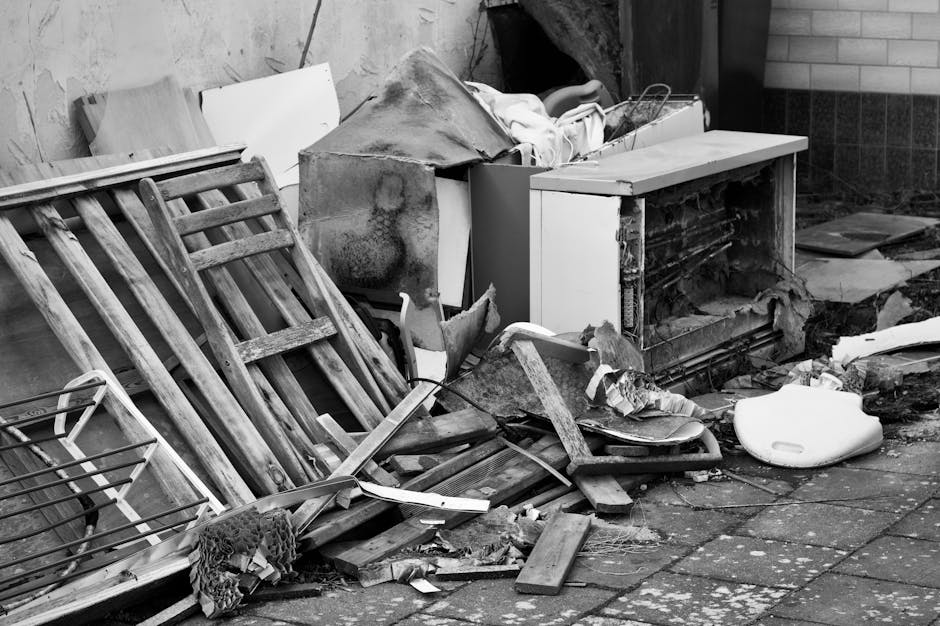
Gardens often contain more than plant waste. Over time, outdoor storage areas can collect items that belong to the house, the garage or the shed as well as objects that were always intended for the garden but are now broken or no longer wanted. Our clearance work can deal with many of these mixed items when they are part of the agreed job. That may include damaged furniture, old tools, unused planters, broken fencing pieces and general outside clutter that has built up gradually.
It is usually better to decide early whether the clearance is limited to garden waste or includes mixed household items stored outside, because that affects both loading and disposal. A mixed pile can take longer to sort through than a pile of cuttings alone, especially where materials differ in size or weight. We aim to keep that process straightforward by working from the agreed list and removing items in a sensible order. If there are items you want to keep aside, set them apart before the clearance begins.
Items that may need separate attention
Heavier or awkward items such as broken timber structures, soil bags, edging pieces or dismantled garden features may need a little more planning than loose green waste. If you are unsure whether something can be included, a brief description is usually enough to confirm the likely approach. For a better quotation, note the approximate quantity and whether the material is piled, bagged or spread out. That gives a clearer picture of the work without requiring a long checklist.
How quotations are usually prepared for garden clearance
Garden clearance quotations are generally based on the amount of waste, the mix of materials and the access needed to remove it safely. A small tidy-up with bags of cuttings is very different from a full clearance that includes heavy debris, so it is useful to describe the job as accurately as possible. If there are pictures available, they can help, but a written summary is also useful when the waste is easy to describe. The aim is to match the quote to the actual work rather than rely on broad assumptions.
When a quotation is prepared well, it reflects the practical side of the job: how much needs loading, whether the items are loose or contained, and whether the route out is straightforward. That is one reason why simple details matter. A short note about the garden size, the type of waste and any awkward access can make a real difference. Clear information helps keep the process efficient for everyone involved and makes it easier to compare options if you are speaking to more than one provider.
Request a quotation if you want a tidy, organised clearance plan that fits the state of your garden rather than a generic estimate. If you already know the main waste types, you can mention them directly and keep the request concise. For more complex clearances, list the main areas in order of priority so the scope is easy to understand. That gives a practical starting point for the service and avoids confusion later on.
Recycling, sorting and responsible disposal
Responsible disposal is an important part of any garden clearance because not everything from a garden belongs in the same waste stream. Green waste, timber, soil, plastics, metal fittings and mixed outdoor items often need to be handled differently. A good clearance process therefore begins with sorting the load into sensible categories before disposal. That approach supports cleaner handling and helps keep the job organised from collection to final removal.
Where the waste is mainly organic, it may be possible to keep the job focused on green materials only. Where the pile is mixed, careful sorting is even more important because some items are better kept separate from cuttings and soil. This is one reason why the service is most effective when the contents are described honestly at the start. If you need to include a mixture of materials, that is fine; it simply means the quotation should reflect the real scope of the work.
Garden clearance is not only about taking waste away, but also about doing so in a way that respects the type of material being removed. Different wastes need different handling, and a sensible service should reflect that. If you are uncertain whether a specific item is suitable for inclusion, a short enquiry is usually enough to check. You can then decide whether to add it to the clearance or keep it separate.
About Bayswater
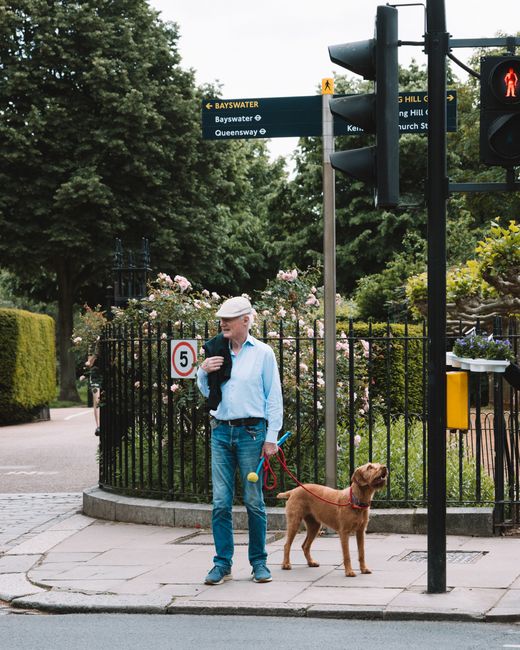
Bayswater is an area in west London known for its white stucco terraces, hotel-lined streets and the broad urban grid that developed during the nineteenth century. It sits close to Hyde Park and Kensington Gardens, with Lancaster Gate, Queensway and Notting Hill all forming part of the wider surrounding district. The architecture is one of its strongest visual features: long residential terraces, crescents and mansion blocks give many streets a formal, continuous appearance that reflects Victorian and later Edwardian urban growth. The area also carries a strong transport identity, with Bayswater and Queensway Underground stations linking it into the Central, Circle and District lines, while Paddington lies nearby to the north-east. The neighbourhood has long been associated with a cosmopolitan mix of uses. Queensway in particular is known for shops, eateries and small businesses, while the surrounding streets retain a more residential character. Hyde Park and Kensington Gardens provide a large green edge to the south and east, giving the district one of its most recognisable landscape settings. The nearby Westbourne and Paddington area developed around canals, railways and later redevelopment, adding layers to the local geography and history. Bayswater Road, running along the park edge, is a major historic route with a strong presence in the area’s street pattern. Although Bayswater is now fully urban, traces of its development remain visible in its building forms and street layout. The neighbourhood’s scale is easy to miss because many of its streets are compact, yet it sits within a wider central-west London fabric that has changed repeatedly over time. As a result, Bayswater combines dense housing, busy transport links and immediate access to major open space, which gives it a distinctive position within the city. Its character comes from that contrast: ordered terrace streets, commercial corridors and the openness of the parks nearby.
House, flat and shared-access clearances

Some garden clearances sit alongside wider property clearance needs. For example, a front garden may be cleared together with items stored in a side return, or a rear space may contain waste that came from a loft, flat or household tidy-up. In those situations, the work needs to be handled as a single practical job rather than as separate, disconnected tasks. The important thing is to define the scope clearly so the right amount of time and loading space can be planned.
Where shared access is involved, care matters. Narrow entrances, common paths and communal approaches all require a bit more thought than a simple driveway collection. The clearance should be arranged so the route is used responsibly and the waste is moved without blocking others for longer than necessary. If you are including more than one location on the property, note that at the quotation stage so the plan reflects the actual movement involved. That avoids last-minute confusion and helps keep the work orderly.
If your garden clearance is part of a larger household tidy-up, it can be useful to identify which items are outdoor waste and which belong with the internal clearance. That keeps the job easy to define and prevents unnecessary back-and-forth. For a prompt response, send the key details in one message and ask for a quotation based on the waste you want removed. If the job is straightforward, keep it brief; if it is complex, list the main areas in sequence.
Seasonal clearances, renovation leftovers and bulky outdoor materials
Garden waste tends to change with the seasons. Spring and summer jobs often involve fresh pruning, lawn cuttings and weeding, while autumn and winter clearances may include fallen leaves, broken branches and weather-damaged items that have been left outside for too long. Renovation or landscaping projects can also create bulky leftovers such as old sleepers, damaged fencing, compacted soil or unwanted edging. Our service is suited to these changing patterns because it focuses on the actual waste rather than assuming every garden clearance looks the same.
Bulky materials deserve particular attention because they affect how the clearance is managed. Heavy items may need more careful loading, while awkward shapes can reduce the amount that fits in one collection. That does not necessarily make the job difficult, but it does mean the scope should be described clearly. A mix of heavy and light waste can still be handled efficiently when the quotation reflects the true volume and composition. Accurate descriptions are especially useful when the clearance follows a project rather than a routine tidy-up.
If you are preparing to request a quotation, think in terms of what is actually present in the garden, not what you hope the area will look like afterwards. The clearer the description of the waste, the easier it is to provide a sensible price and plan the work. You do not need a long report; a focused summary of the main materials and the access route is usually enough to get started.
Making the next step simple
Once the main waste has been identified, arranging a garden clearance becomes much easier. Start by separating anything you want to keep, then note the main types of material that remain, such as branches, bags of cuttings, soil, mixed outdoor clutter or broken garden items. A simple list and a rough sense of the amount involved usually provide enough detail for a quotation request. If the access is unusual, mention that as well so the job can be planned properly from the outset.
Our aim is to keep the service practical, clear and suited to the waste in question. Whether the job is a light seasonal tidy or a more involved removal from an overgrown garden, the same principle applies: define the task, plan the clearance and remove the waste in an organised way. If you want a straightforward way forward, the best next step is to ask for a quotation and describe the garden as it stands now. That keeps expectations realistic and helps the process run smoothly.
For a neat end result, keep the request focused on the waste, the access and any special items that need attention. Then ask for your quotation and allow the clearance to be planned around the actual work required. You can keep the message short and still give enough information for a useful response. A well-described garden is much easier to clear than one that has to be guessed at.