Lancaster Gate bulky rubbish pickup access tips
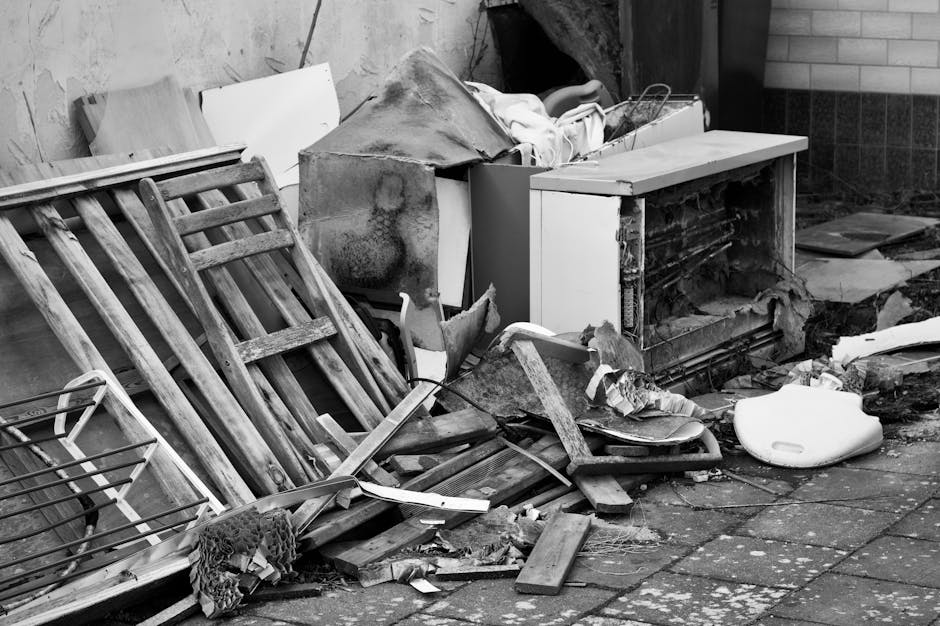
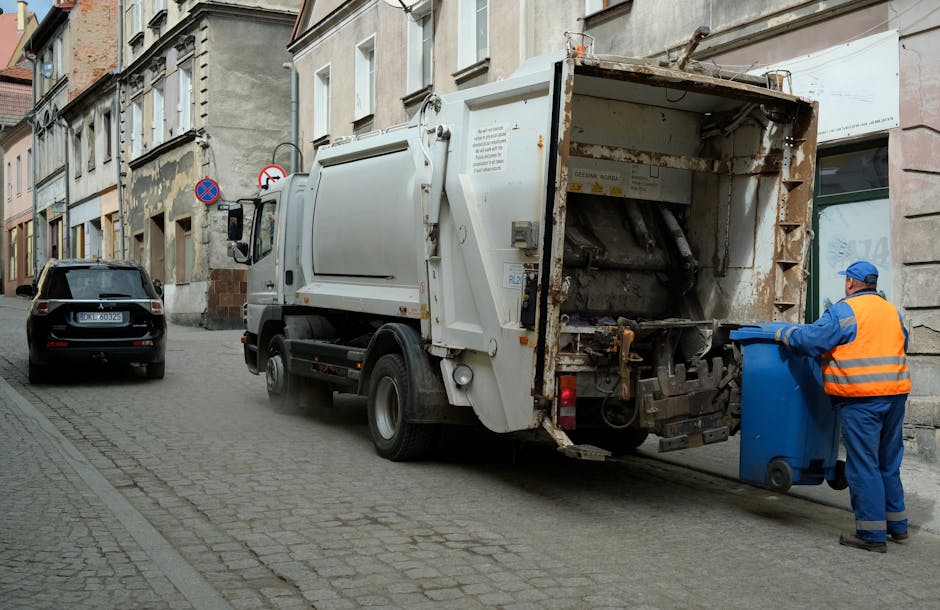
If you have ever tried to shift a sofa, mattress, wardrobe, broken desk, or a few heavy bags out of a London property, you already know the awkward part is often not the rubbish itself. It is the access. Narrow stairwells, busy pavements, shared entrances, parked cars, basement steps, and fussy lift timings can turn a simple bulky waste collection into a small logistical puzzle. That is exactly why Lancaster Gate bulky rubbish pickup access tips matter: they help you prepare the route, reduce delays, and make the whole collection feel calmer and more controlled.
In Lancaster Gate, that planning is especially useful because properties often sit in busy streets, mansion blocks, converted flats, and older buildings where access is not always straightforward. This guide walks through the practical side of it all: what to check, how to clear space, what to tell the collection team, and where things usually go wrong. A little preparation goes a long way. Honestly, a very long way.
Why Lancaster Gate bulky rubbish pickup access tips Matters
Bulky rubbish pickups are simple in theory: set out the items, book a collection, and let the team do the lifting. In real life, access often decides whether the job is quick, safe, and tidy or a bit of a headache. At Lancaster Gate, that matters even more because many homes and commercial premises sit in tightly arranged streets with shared hallways, controlled entry points, basement access, and limited waiting space outside.
When access is poor, the knock-on effects are easy to spot. The crew may need extra time to navigate stairs. Larger items may not fit through doorways on the first attempt. Neighbours can be inconvenienced if corridors are blocked. In some cases, a collection vehicle cannot stop exactly where you expected. None of this is dramatic, but it can slow everything down and make the collection feel much more stressful than it needs to be.
The best access tips are really about reducing friction. They help you think like the collection team for a moment: where will they park, how far is the carry distance, what obstacles are in the way, and can the item move through the route without damage to walls, bannisters, or door frames? That mindset saves time and, to be fair, saves a few nerves too.
Expert summary: The smoother the access, the safer the pickup. Most bulky waste problems are not about the waste itself but about the path between the item and the vehicle.
It also helps to think about the rest of the clearance process. If your pickup is part of a larger declutter, you might benefit from looking at flat clearance support, home clearance options, or even furniture disposal help when the items are old, awkward, or simply too heavy to manage alone.
How Lancaster Gate bulky rubbish pickup access tips Works
The process is straightforward once you break it into stages. First, you identify the bulky items and decide where they will be collected from. Next, you check access from the inside out: room, hallway, stairs, entrance, pavement, and vehicle stopping point. Then you make the route as clear as possible before collection day. Simple on paper. A bit less simple with a three-seat sofa and a narrow turn on the landing.
In practical terms, the pickup team needs three things: room to move, safe lifting space, and enough information to plan the job. If you live in a top-floor flat, for example, they may need to know whether the lift is working, whether the item can fit inside it, and whether there is a booking system for building access. If you are in a house, the question may be whether the item can come out through the front door or whether a side passage makes more sense.
For many Lancaster Gate properties, timing matters too. Collection crews usually work more efficiently when they can avoid peak pedestrian flow, tight delivery windows, or blocked access caused by bins, visitors, or neighbours' vehicles. That is why access planning is not just a nice extra. It is part of the job.
If your collection includes mixed waste rather than just one or two pieces, you may also want to review broader waste removal services or, for commercial jobs, business waste removal support. Different waste types can need different handling, and a little sorting beforehand makes the day run much smoother.
Key Benefits and Practical Advantages
Good access planning gives you more than convenience. It shapes the whole collection experience.
- Faster pickup: Less time spent moving items around means the team can complete the job more efficiently.
- Lower risk of damage: A clear route reduces knocks to walls, doors, lift interiors, and stair rails.
- Less strain and safer lifting: Fewer awkward turns and obstacles means lower physical effort for everyone involved.
- Better timekeeping: Collections are easier to slot into a busy London schedule when access is well thought out.
- Cleaner finish: A planned route usually means fewer scraps, less mess, and fewer last-minute surprises.
There is also a customer-side benefit that is easy to overlook: peace of mind. If you know where the item is going to come from, where it will rest briefly, and how it reaches the vehicle, the whole thing feels less disruptive. That matters if you are juggling work, family, or an office move on the same day.
For larger jobs, it can be smart to compare the collection with related services such as house clearance, garage clearance, or office clearance. The right option depends on how much needs removing and how quickly you need the space back.
Who This Is For and When It Makes Sense
This guidance is useful for anyone arranging a bulky item pickup in or around Lancaster Gate, but some people will feel the benefit more than others.
- Residents in flats with shared entrances or stairwells
- Landlords clearing left-behind furniture after a tenancy
- Homeowners removing bulky household items
- Office managers clearing desks, chairs, filing cabinets, or storage units
- Tradespeople handling leftover builder's waste after a small project
- Anyone with a lift, basement access, or a narrow front path to navigate
It makes the most sense when the item is large, awkward, or hard to carry in one safe movement. A broken wardrobe may not look dangerous at first glance, but once you get it to a staircase corner, it can become a very different story. Let's face it, furniture never seems as wide until it is halfway through a doorway.
It also makes sense when you are trying to avoid dragging items through clean areas of the property. If you have carpets, polished floors, freshly painted walls, or a busy reception area, access planning protects the building as much as the people carrying the waste.
Step-by-Step Guidance
Here is a practical way to prepare for a bulky rubbish pickup without overcomplicating it.
- List every item to be removed. Be specific. A "chair" and a "conference chair with fixed arms" are not always the same from an access point of view.
- Measure the awkward bits. Width at the narrowest point, height of stair turns, lift door size, and any low ceilings are all worth checking.
- Map the route. Think from the item's current spot to the exit and then to the street. Sometimes the shortest route is not the easiest one.
- Clear the pathway. Move shoes, plant pots, bikes, recycling boxes, laundry baskets, and anything else that narrows the route.
- Check building access rules. If you live in a managed block, ask whether the lift needs booking, whether service entrance access is available, or whether the collection needs to happen during a specific window.
- Tell the team about restrictions. Mention tight stairwells, no parking outside, difficult turning circles, or a protected floor surface. Don't assume they'll guess.
- Stage items in a sensible spot. If safe and possible, place the items near the exit before the team arrives. This reduces time and makes the collection more efficient.
- Remove hazards. Keep children, pets, and unnecessary clutter away from the working area.
- Separate anything that should not go. Keys, documents, valuables, chargers, and personal items should be removed first. Easy to forget. Very easy.
- Confirm the plan before collection day. A quick check can prevent delays caused by missing access details or unexpected building restrictions.
If the items include mixed household waste, damaged furniture, or renovation leftovers, a service such as builders waste clearance may be the more appropriate route than a simple single-item pickup. The main thing is matching the service to the access challenge, not just the item count.
Expert Tips for Better Results
Good access work is mostly about anticipation. You do not need to turn into a surveyor, but a few habits make a big difference.
Tip 1: Check the turn, not just the door
People often measure the doorway and forget the angle of the hallway or stair landing. That is where many items get stuck. A sofa may pass a front door easily and then fail at the corridor bend. Check the full route, not just the exit.
Tip 2: Protect corners and delicate surfaces
If the route is tight, use blankets, cardboard, or temporary protection on wall corners and banisters where appropriate. It is a small thing, but it helps avoid scuffs. In a historic or well-kept Lancaster Gate building, that can matter quite a bit.
Tip 3: Use daylight when you can
Morning or early afternoon pickups are often easier because the route is better lit. That might sound minor, but in dim stairwells or basement corridors, a clearer view can make the whole lift safer.
Tip 4: Keep one person as the access contact
If several people are involved, choose one point of contact who knows the building, the items, and the plan. Fewer crossed wires, fewer "I thought you had the key" moments.
Tip 5: Think about the vehicle stop point
The real job begins once the item leaves the building. If the vehicle needs to park a little further away, the carry distance increases. That affects timing, lifting effort, and sometimes price. If parking is tricky, say so early.
Tip 6: Be honest about awkward items
If something is damaged, wet, partially dismantled, or heavier than it looks, say it upfront. A slightly blunt description is better than a surprised team member standing in a hallway with a wobbly wardrobe. Been there, seen that, not ideal.
For buyers and business owners who want a broader service approach, it can also be useful to look at furniture clearance when several bulky items need to go together, or furniture disposal when the priority is removing old, unusable pieces with as little fuss as possible.
Common Mistakes to Avoid
Most bulky waste access problems are preventable. These are the usual culprits.
- Leaving access checks too late. Discovering on collection day that the lift is out of service is a classic way to create stress.
- Underestimating item size. What looks manageable in a room can become awkward on a stair turn.
- Forgetting parking constraints. In London, stopping right outside is not always realistic.
- Not clearing the route. A few scattered items can slow the team down more than you expect.
- Assuming the crew can dismantle everything. Sometimes they can help, sometimes they cannot. Ask rather than guess.
- Mixing keep and remove piles. That is how personal items disappear into the wrong pile by mistake.
- Ignoring building rules. Managed blocks and shared properties often have access conditions that matter.
One small but important point: never place items in a way that blocks fire exits or shared escape routes. Even if it is only for a short time, that is not worth the risk. Better to stage things safely and neatly, even if it takes a few extra minutes.
Tools, Resources and Recommendations
You do not need specialist equipment for every collection, but a few simple tools can make access planning much easier.
- Tape measure: Useful for door widths, stair landings, lift openings, and furniture dimensions.
- Phone flashlight: Handy for checking basement corners, dark halls, and back access areas.
- Sticky notes or masking tape: Great for marking which items go and which stay.
- Blankets or corrugated cardboard: Useful for protecting edges and surfaces during movement.
- Basic screwdriver or Allen key set: Helpful if furniture needs light dismantling before collection.
- Rubbish bags and labels: Good for grouping loose items before pickup.
From a service planning point of view, it is worth looking at the broader support pages too. If you are booking something larger than a one-off item collection, loft clearance can be relevant for items brought down from upper floors, and garden clearance is useful where access is through side returns, yards, or rear paths.
If your concern is pricing or organising the job sensibly, the most practical next step is to review pricing and quotes. That helps you match the job size to the access difficulty before collection day arrives.
Law, Compliance, Standards and Best Practice
For bulky rubbish collection, the main compliance concern is safe and lawful waste handling. In plain English: waste should be managed carefully, transferred to the right place, and not left in a way that creates nuisance, obstruction, or hazard. The exact obligations can vary depending on whether the job is domestic, commercial, or part of a managed building arrangement, so it is sensible to treat building rules and site safety as part of the planning process.
Good practice usually includes the following:
- keeping access routes clear enough for safe handling
- avoiding blocked exits or trip hazards
- separating unwanted items from personal belongings
- checking whether the property has shared access rules
- giving accurate details about access restrictions before the collection
If you are arranging a business pickup, extra care is wise around staff areas, reception spaces, and customer walkways. For that sort of work, the operational side often matters just as much as the waste itself. You may also want to review pages such as health and safety policy and insurance and safety if you are assessing how a provider approaches risk and working practices.
When recyclable items are involved, it is also useful to think about responsible sorting. Many people prefer a provider that keeps sustainability in mind, especially when the pickup includes furniture, office pieces, or mixed household items. If that matters to you, recycling and sustainability is worth a look.
Options, Methods and Comparison Table
There is more than one way to handle bulky rubbish access in Lancaster Gate. The right method depends on the property, the item, and how much lifting or dismantling is involved.
| Method | Best for | Pros | Watch-outs |
|---|---|---|---|
| Direct pickup from the room | Easy-access homes, ground-floor properties | Fast and simple | May not suit narrow hallways or large furniture |
| Staged pickup near the exit | Flats, houses with clear internal routes | Reduces carry distance | Needs safe staging space and planning |
| Dismantle before collection | Wardrobes, bed frames, desks, large shelving | Makes awkward items easier to move | Needs tools and care; keep fittings together |
| Full clearance service | Several bulky items or mixed waste | Efficient for larger jobs | May need more detailed access information |
In many cases, the best method is not the flashiest one. It is the one that fits the property. A simple pickup may be perfect for a ground-floor flat, while a full clearance makes more sense for a cluttered office or a top-floor home with heavy furniture. No drama, just the right tool for the job.
If the pickup is connected to an emptying job rather than a single item, services like garage clearance or office clearance can be a better comparison point than a one-off lift.
Case Study or Real-World Example
Picture a typical Lancaster Gate flat on a weekday afternoon. The resident needs a bulky armchair, a broken TV unit, and two old drawers removed before new furniture arrives. The building has a lift, but it is narrow. The staircase is serviceable, though a little tight at the corners. There is also a shared entrance, so the hall must stay clear.
What went right? The resident measured the armchair and TV unit beforehand, moved shoes and hallway clutter out of the way, and checked that the lift would be available at the planned time. They also mentioned that one drawer unit might need light dismantling. That small detail mattered, because the collection team could plan for a screwdriver and protect the route properly.
What would have caused trouble? Leaving everything in the living room until the last second, not checking the lift size, and forgetting that parking outside the building was limited. That would have meant more carrying, more waiting, and probably a bit of awkward back-and-forth at the front door.
The final result was simple. Items were moved out cleanly, the shared corridor stayed tidy, and the job finished without anyone feeling rushed. That is the real goal here. Not perfection. Just a calm, tidy collection that does not make the rest of the day harder than it needs to be.
Practical Checklist
Use this before your bulky rubbish pickup. It is short, but it covers the bits people often miss.
- List every item clearly
- Measure doors, corridors, stairs, and lift openings
- Check where the vehicle can stop
- Remove personal items from the collection pile
- Clear shoes, bins, boxes, and loose clutter from the route
- Confirm building access rules and timings
- Tell the collection team about narrow turns or steps
- Protect walls or corners if the route is tight
- Separate items that should be kept
- Keep children and pets away during the pickup
- Have keys, fobs, or permits ready if needed
- Double-check the booking before the day arrives
Quick takeaway: If you can describe the access route in one clear sentence, you are probably ready. If not, spend ten more minutes checking. It will save you much longer later.
Conclusion
Lancaster Gate bulky rubbish pickup access tips are really about turning a potentially awkward job into a predictable one. Once you map the route, clear the obstacles, and give honest access details, the collection becomes much easier to manage. That is true whether you are getting rid of one bulky sofa or clearing several rooms at once.
Good access planning protects your property, supports safer lifting, and reduces the chance of last-minute delays. It also helps you choose the right service, whether that is a simple item collection, a broader home clearance, or a more specialised pickup for furniture or office contents. The difference is often just a few smart decisions at the start.
Get a free quote today and see how much you can save.
And if you are still unsure about the best way to prepare, that is completely normal. Start with the route, keep it practical, and do the boring bits well. They are rarely glamorous, but they do make the whole job easier. A little care now saves a lot of faff later.
Frequently Asked Questions
What are the most important Lancaster Gate bulky rubbish pickup access tips?
The most important tips are to measure the route, clear the pathway, confirm parking or stopping space, and tell the collection team about any stairs, lifts, or tight turns before the day of pickup.
Do I need to measure my doorway before a bulky pickup?
Yes, if the item is large or awkward. Door width is useful, but the corridor bend, stair landing, and lift opening are just as important. That is usually where problems start.
What if the lift in my building is too small?
If the lift is too small, the item may need to be carried by stairs or dismantled first. It is better to mention this early so the collection team can plan properly.
Can bulky rubbish be collected from a flat in Lancaster Gate?
Yes, but access details matter more in flats than in houses. Shared entrances, stairwells, lift bookings, and corridor space all affect how smoothly the pickup goes.
Should I leave items outside for collection?
Only if it is safe, allowed, and agreed in advance. In many buildings, items should stay inside or in a designated collection area until the team arrives.
What items cause the most access problems?
Sofas, wardrobes, large mattresses, desks, and bulky broken furniture are common troublemakers because they are wide, heavy, or awkward to turn around corners.
Do I need to dismantle furniture before pickup?
Not always, but dismantling can help if the item is too large for a doorway or staircase. Keep screws and fittings together so reassembly or disposal stays organised.
How can I protect my walls and floors during removal?
Clear the route, use temporary protection on tight corners if needed, and avoid forcing oversized items through narrow spaces. A little preparation is usually enough.
What should I tell the pickup team before they arrive?
Tell them about stairs, lift size, shared entrances, parking restrictions, access codes, damaged items, and anything unusually heavy or fragile. Honest detail helps a lot.
Is bulky rubbish pickup different from a full clearance?
Yes. A bulky pickup is usually for specific large items, while a full clearance may involve several rooms, mixed waste, or a larger amount of furniture. The right option depends on the amount and type of waste.
How can I make a business pickup easier in Lancaster Gate?
For offices or commercial sites, clear reception routes, identify the loading point, choose a point of contact, and avoid busy customer times where possible. It keeps disruption down.
What is the best time of day for a bulky rubbish collection?
Early or mid-morning is often easier because access is clearer and there is usually less foot traffic. That said, the best time is the one that fits your building rules and schedule.
Can I combine bulky rubbish pickup with other clearance services?
Often yes. If you have several items or mixed waste, it may make more sense to combine the job with a broader service such as furniture clearance, house clearance, or waste removal.
Where can I find more information about the company and service standards?
You can review the company's approach on the about us page and read useful service information such as complaints procedure if you want to understand how issues are handled.